

Teach Your Kids Crypto: The $50 Blockchain STEM Project
The $50 Blockchain STEM Project
Trying to explain Bitcoin to a child (or a skeptical partner) using charts and "magic internet money" metaphors usually results in blank stares. You need to make it tangible. You need to take the abstract concept of a "digital mine" and put it on the kitchen table.
Most kids today are "Digital Natives," but they are actually just "Digital Consumers." They know how to swipe a screen, but they have no idea what happens behind the glass. Building a NerdMiner changes that. It turns them from consumers into maintainers.
For the price of a generic video game, you can give them a hands-on lesson in the three pillars of the modern internet: Hardware, Networking, and Cryptography.
The Lesson Plan: 3 Steps to Understanding
Lesson 1: The Hardware (The Body)
- The Activity: Assembling the kit.
- The Lesson: Whether you are soldering a DIY kit or snapping a case onto a pre-built unit, you are teaching them about components. Point out the ESP32 chip (the brain), the Wi-Fi antenna (the ears), and the heatsink (the sweatband).
- The Takeaway: "Computers get hot when they think hard. This metal piece helps it stay cool."
Lesson 2: The Network (The Voice)
- The Activity: Configuring the Wi-Fi.
- The Lesson: This is often the first time a child sees an "IP Address." Walking them through the web-configuration portal teaches them that devices need a specific address to talk to the world.
- The Takeaway: "We are connecting our tiny computer to a massive global team."
Lesson 3: The Mining (The Work)
- The Activity: Watching the screen.
- The Lesson: Explain that the scrolling numbers are "guesses." The device is trying to solve a math problem.
- The Takeaway: "Money isn't magic. It comes from work. This robot is doing math work to keep the network safe."
The Ultimate Rainy-Day Project
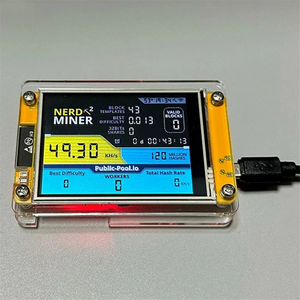
Everything you need to turn your kitchen table into a STEM lab.
$44.99 Get The Kit TodayWhy This Matters
You aren't just building a toy. You are demystifying the blockchain. When they see the hashrate go up and down, they understand that the network is alive. It’s the ultimate rainy-day STEM project.