Bust-Down Books
Black Wall Street | Charles River
Black Wall Street | Charles River
Couldn't load pickup availability
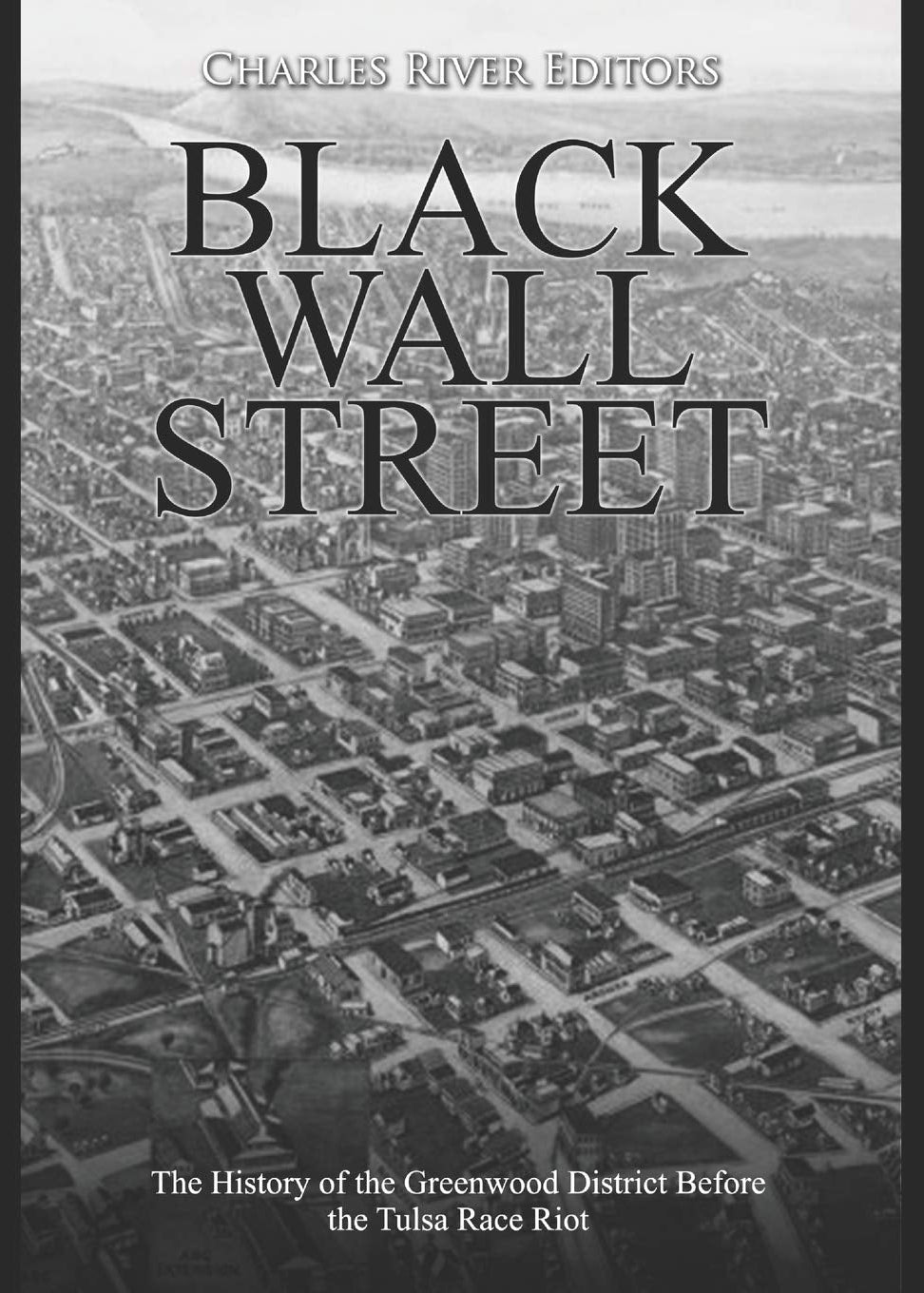
Black Wall Street: The History of the Greenwood District Before the Tulsa Race Riot
Accolades & Praise
- An essential and meticulously detailed historical examination that brings light to one of the most prosperous self-sufficient communities in the United States and the subsequent cover-up of its tragic destruction. Includes historical pictures and a bibliography for further reading.
Extended Synopsis
In the wake of the Civil War, African Americans attained freedom from chattel slavery, but continued to suffer discrimination through Jim Crow laws and widespread prejudice. However, Tulsa in 1921 offered a unique, albeit flawed, landscape. Fueled by the discovery of the Glenn Pool oil field in 1905, Tulsa had rapidly grown from a rural crossroads town into a booming modern city. While segregation was strictly enforced, black citizens were able to share in a portion of the city's newfound wealth, leading to the creation of an extraordinary community.
Many African Americans settled in the Greenwood area, establishing a thriving commercial, cultural, and residential hub. This 36-square-block section of northern Tulsa became widely known as "Black Wall Street" due to its large number of affluent, professional, and fiercely independent residents. It was considered the wealthiest African American neighborhood in the country—a testament to the resilience and entrepreneurial spirit of its citizens.
Black Wall Street: The History of the Greenwood District Before the Tulsa Race Riot examines the conditions and events that led to the rise of this vibrant district. The book explores what life was like in this prosperous community before it was tragically laid to waste in less than twenty-four hours during one of America's most notorious race riots. It also sheds light on the decades-long institutional cover-up that followed, offering a true accounting of a history that the city of Tulsa is only recently beginning to fully acknowledge.
About the Author
Charles River Editors is an independent publisher specializing in objective, comprehensive historical accounts, biographies, and educational materials. They focus on preserving the historical record by analyzing both the well-known and overlooked events that have shaped modern history.
Reader Targeting
- Students and scholars of American history and African American studies.
- Readers interested in the economic and cultural history of the American Southwest during the oil boom.
- Individuals seeking an unfiltered, factual accounting of the systemic racism and historical cover-ups surrounding the Tulsa Race Riot.
Bibliographic & Physical Specifications
| Specification | Details |
|---|---|
| ISBN-13 | 9798666301432 |
| Publisher | Amazon KDP |
| Publication Date | July 14, 2020 |
| Edition | Paperback Edition |
| Condition | Pre-Owned / Very Good |
| Format | Paperback (Softcover, Issued without dust jacket) |
| Page Count | 52 |
| BISAC Categories | HISTORY / United States / State & Local / Southwest; SOCIAL SCIENCE / Minority Studies |
| Dimensions & Weight | 9.0 x 6.0 x 0.2 inches / 4.5 oz |
Frequently Asked Questions
What made the Greenwood district so historically significant before 1921?
The Greenwood district, a 36-square-block section of northern Tulsa, was known as "Black Wall Street." Despite the Jim Crow laws of the era, it was considered the wealthiest African American neighborhood in the country, filled with affluent and professional residents, and operated as a thriving commercial, cultural, and self-sufficient residential area.
Why did Tulsa experience such rapid growth in the early 1900s?
Tulsa's remarkable growth was fueled primarily by the discovery of the Glenn Pool oil field in 1905. Within just five years, Tulsa transformed from a rural Indian Territory crossroads into a booming modern city, attracting people of all races who were looking to share in the newly created wealth.
How was the memory of the 1921 Tulsa Race Riot handled in the decades that followed?
Tragically, the memory of the riot was actively suppressed for decades. Local newspapers like the Tulsa Tribune omitted the event from historical retrospectives, and in 1971, both the Tulsa Chamber of Commerce and local papers refused to publish gathered materials about the massacre. Only recently has the city actively worked to complete a true accounting and historical record of the damage.
Bust-Down Books: More Than a Bookstore
Share