Bust-Down Books
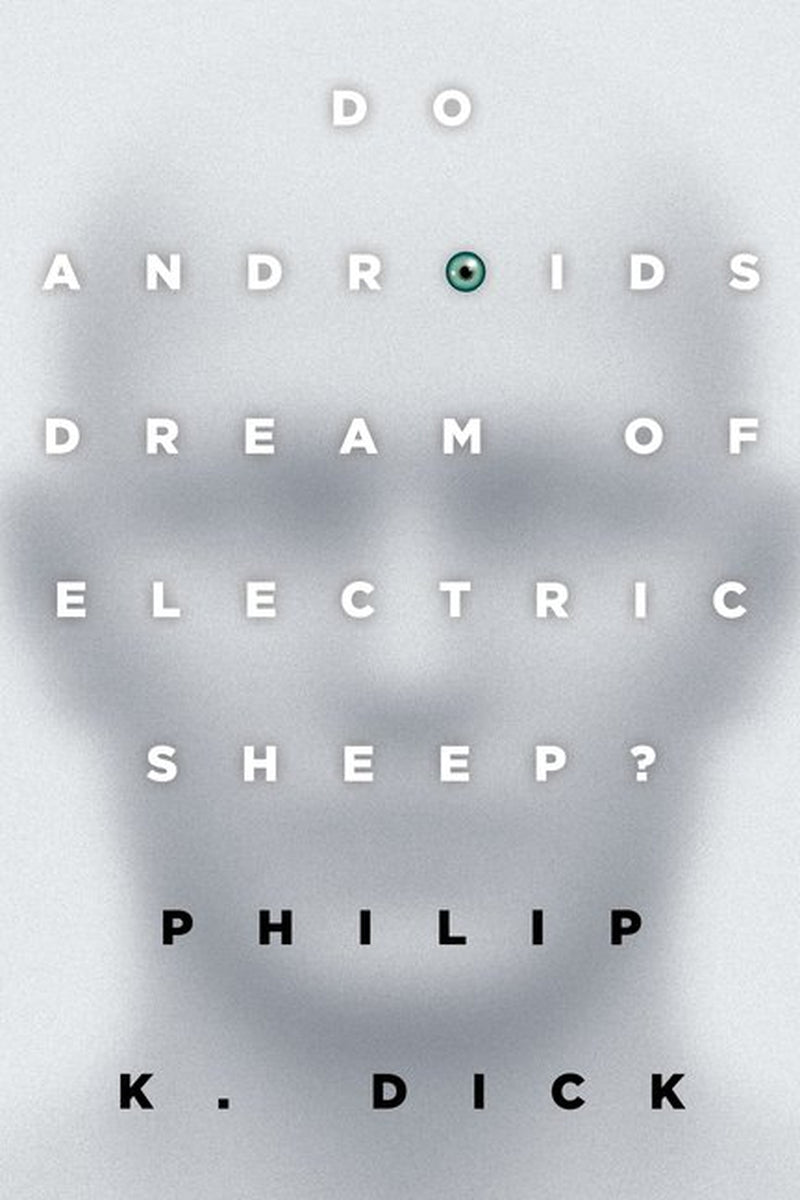
Do Androids Dream of Electric Sheep by Philip K. Dick
Do Androids Dream of Electric Sheep by Philip K. Dick
Couldn't load pickup availability
Do Androids Dream of Electric Sheep?
by Philip K. Dick
"The visionary sci-fi classic exploring the fragile boundaries of human identity—the inspiration for the monumental Blade Runner films."
🚀 CLASSIC SCIENCE FICTION | CYBERPUNK | PHILOSOPHICAL FICTION
A cornerstone of the cyberpunk genre, challenging readers to question the nature of consciousness, empathy, and what it truly means to be human in a post-apocalyptic world.
Extended Synopsis
Set in a dystopian post-World War landscape where millions have perished, Do Androids Dream of Electric Sheep? portrays an Earth driven to the brink of ecological collapse. With entire species extinct and the majority of mankind migrating off-planet, owning a living creature has become an extreme luxury. For those left behind in the irradiated dust, highly sophisticated simulacra—artificial horses, birds, and sheep—must suffice.
However, the technological apex of this era is the creation of human simulacra. These incredibly advanced androids, built to serve Mars immigrants, are indistinguishable from true humans and are strictly banned from Earth due to the danger they pose. Driven into hiding, rogue androids dwell undetected among the remaining human population. Enter Rick Deckard, an officially sanctioned bounty hunter tasked with tracking down and "retiring" these unauthorized synthetic beings. But as Deckard corners his prey, he realizes that these machines will fight back with lethal force, forcing him into a perilous moral labyrinth where the line between human empathy and artificial programming blurs entirely.
Author Bio
Philip K. Dick (1928–1982) was a legendary American science fiction writer whose visionary works explored sociological, political, and metaphysical themes. Often delving into altered states of consciousness, artificial intelligence, and corporate monopolies, his fiction has deeply influenced modern pop culture and literature. He has been aptly described by The New York Times as "a kind of pulp-fiction Kafka, a prophet."
Reader Targeting & Academic Utility
- Literature & Philosophy Students: An essential text for examining existentialism, the ethics of artificial intelligence, and postmodernist literature.
- Sci-Fi & Cyberpunk Enthusiasts: A foundational masterwork that defined the aesthetic and philosophical depth of modern science fiction.
- Film Historians: Crucial reading for those studying the adaptation process and thematic origins of Ridley Scott’s Blade Runner and Denis Villeneuve’s Blade Runner 2049.
Technical Specifications
| ISBN-13 | 9780345404473 |
| ISBN-10 | 0345404475 |
| Format | Paperback (Edition-1) |
| Publisher | Random House Worlds |
| Publication Date | May 28, 1996 |
| Subjects | Science Fiction |
Accolades & Recognition
- Inspiration for Major Motion Pictures: The direct source material for Blade Runner and Blade Runner 2049.
- "He sees all the sparkling—and terrifying—possibilities... that other authors shy away from." — Rolling Stone
- "An undeniable classic that continues to challenge our fundamental definition of life." — Bust Down Books Editorial Review
Bust-Down Books: We Aim to Please—Because Our Customers are Our Family
People Over Profits
Share