Bust-Down Books
Lincoln Cathedral: Pride of Britain | The Rt. Rev. D.C. Dunlop
Lincoln Cathedral: Pride of Britain | The Rt. Rev. D.C. Dunlop
Couldn't load pickup availability
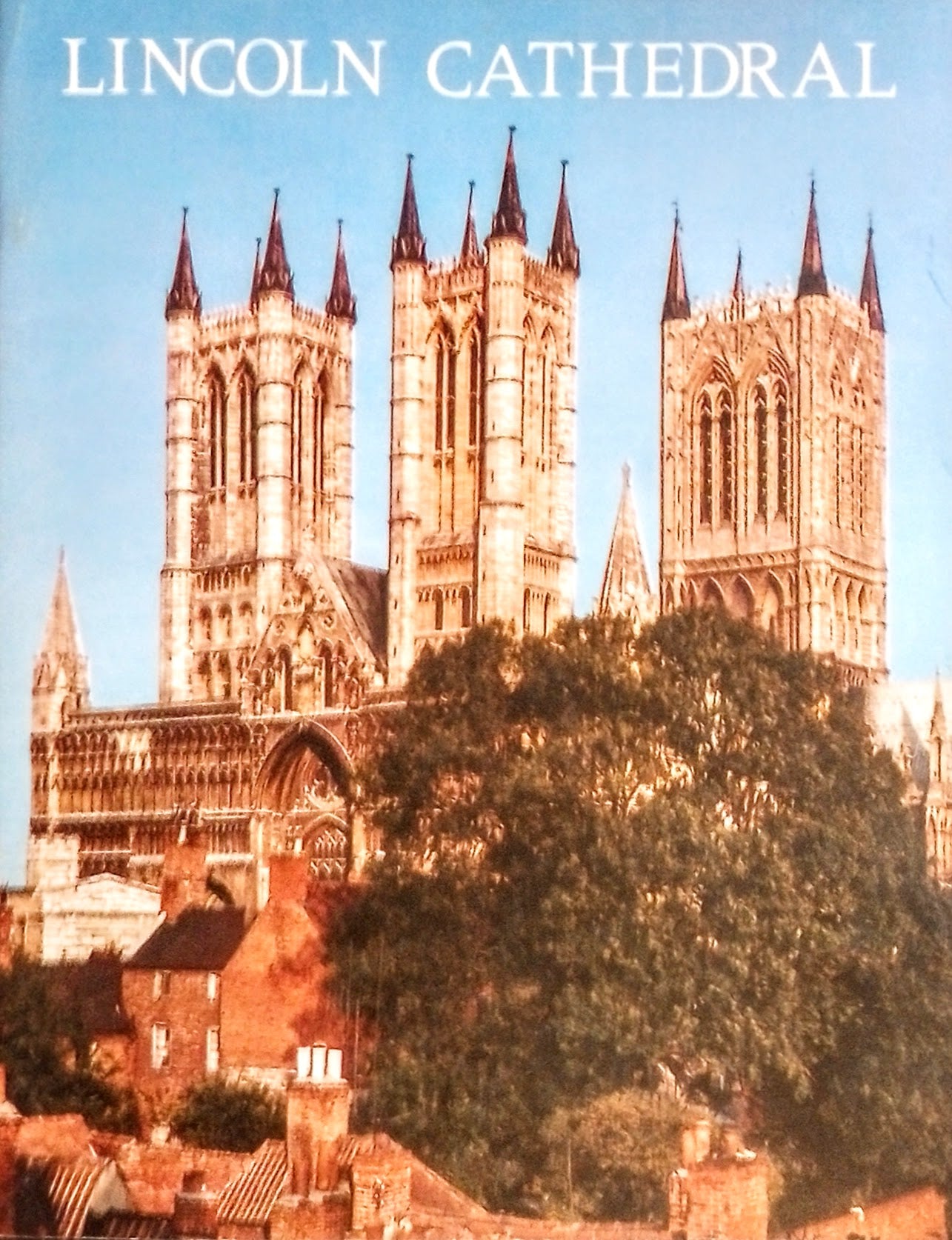
Lincoln Cathedral | Otherwise Called Lincoln Minster
The Rt. Rev. D.C. Dunlop, M.A., formerly Dean of Lincoln
In Saxon times when the Christian Church was established in the towns but had not at all thoroughly penetrated the country districts, it was the strategy in many parts of England (and indeed of Europe generally) to organize the evangelising of the villages from urban centres.
A body of what we would call "mission priests" would be assembled in a town or large village and from there the work of preaching and building up the Church through out the neighbouring region would spread out. Gradually oratories or "field-churches" would emerge in the district, staffed by resident clergy, who would be under the control of the Church in the urban centre, itself subject to the bishop of the diocese. These urban centres were known as minsters. This word is the English equivalent of monasterium, but a Saxon minster was not a monastery in the full technical sense of the word. It was served by priests and others who lived and worked together under a simple rule of life which centred in the worship of the minster church. Such a minster was established in the old Roman hill-city of Lincoln round about the year A.D. 953, being subject to the Bishop of Dorchester, a small village a few miles distant from Oxford. The minster church of Lincoln, the mother church of Lindsey and Lincolnshire, was named after the Mother of our Lord and was known as St. Mary of Lincoln.
As to what this church was like, and of what size it was, we know nothing. It may even have been more interesting and beautiful than the Norman church which took its place, for such drawings as have come down to us reveal the large churches of its period as possessing a romantic splendour unusual in the more austere temples which were erected by the Normans.
The Norman Conquest:
The coming of the Normans brought important changes in all the organs of public and social life, not least in the Church. Under the Saxons, for instance, a bishop had been regarded primarily as a man of study and prayer. His headquarters, or See, was often set up in some rural retreat such as Dorchester-on-Thames, Elmham, or Selsey. But the Normans expected bishops to be not only scholars or saints, but pre-eminently great administrators. They should be men of practical ability who would bring their influence to bear upon the great centres of trade and government. This principle was formally adopted at a council at Windsor in 1072, and, shortly after, the See of Dorchester was transferred to the flourishing city of Lincoln. The charter of William I which made the Norman Remigius the first bishop of Lincoln can be seen in the Cathedral treasury along with Magna Carta. This Remigius (or Remi) had been almoner of the Benedictine Abbey of Fécamp in Normandy and had supplied Duke William with a ship and knights for his work of conquest.
Photos Featured:
The west front of the minster peeps over the Exchequergate, one survivor of several such gates which shut off the cathedral precincts from the city. From behind the gate rise the arcaded screen and two western towers.
The upper parts of the towers were built upon the original towers of Remigius cathedral at the end of the 14th century, The stone figure of St. Hugh can be seen at the top of the right-hand pinnacle. A close-up of one of the most striking of the carved figures on the west front.
The Rt. Rev. D.C. Dunlop, M.A., formerly Dean of Lincoln
Share