Bust-Down Books
The Negro Motorist Green Book: 1940 Edition | Victor Green
The Negro Motorist Green Book: 1940 Edition | Victor Green
Couldn't load pickup availability
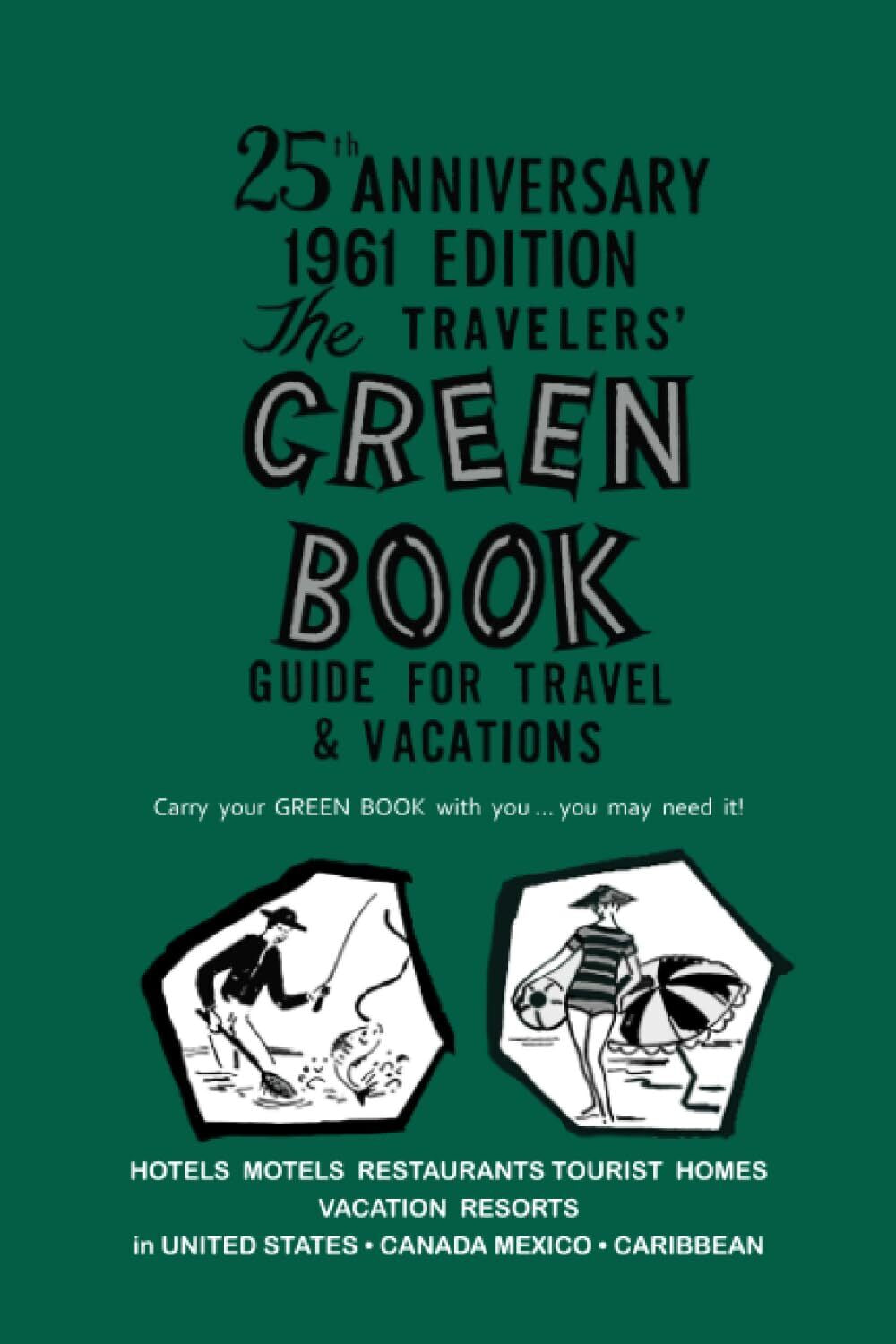
The Negro Motorist Green-Book: 1940 Facsimile Edition
Extended Synopsis
During the era of Jim Crow, open and legally prescribed discrimination against African Americans made interstate travel unpredictable and frequently dangerous. To navigate these perils, Black motorists relied on a critical survival tool: The Negro Motorist Green-Book. First introduced in 1936, this annual guidebook provided comprehensive listings of businesses, hotels, restaurants, and service stations that safely accommodated Black travelers.
This 1940 Facsimile Edition is a precise historical reproduction of Victor Hugo Green's pioneering work. As car ownership expanded within the emerging African American middle class, the automobile offered freedom from segregated public transportation. However, the open road presented its own challenges, from the refusal of lodging to arbitrary arrests. This document offers an unfiltered, primary look at the strategic networks and community resilience created to ensure safe passage across a segregated North America.
Author Biography
Victor H. Green was an African American postal worker from Harlem, New York, who recognized the profound need for a reliable travel resource for Black motorists. Leveraging his network of fellow postal workers across the country to gather information on safe establishments, Green compiled and published the guide from 1936 until 1966. His visionary work not only saved lives but eventually grew to include a dedicated travel agency.
Reader Targeting
- Historians and students of 20th-century American history and civil rights.
- Readers interested in authentic, primary source documents from the Jim Crow era.
- Academics researching the social and cultural history of travel, mobility, and segregation in the United States.
Bibliographic & Physical Specifications
| Specification | Bibliographic & Physical Details |
|---|---|
| ISBN-13 / ISBN-10 | 9781936404674 / 1936404672 |
| Publisher | Martino Fine Books |
| Publication Date | May 22, 2023 |
| Edition | Facsimile Edition |
| Format | Trade Paperback; paperbound construction |
| Page Count | 132 pages (Includes facsimile imagery) |
| Dimensions & Weight | 6.75 x 5.0 x 0.13 inches / 6.4 oz |
Frequently Asked Questions
What was the primary purpose of the Negro Motorist Green Book?
The Green Book was a vital survival tool created to help African American travelers navigate the hazards of Jim Crow-era segregation, racial profiling, and "sundown towns" (communities where non-whites faced violence or arrest if they remained after dark). It allowed Black motorists to travel with dignity by identifying friendly, safe accommodations, restaurants, gas stations, and private homes.
How did Victor Hugo Green gather the information for the listings?
As a mail carrier in Harlem, New York, Victor Hugo Green utilized his extensive network within the National Association of Letter Carriers (NALC). Postal workers across the United States gathered local, first-hand data on safe havens and welcoming businesses, mailing their recommendations back to Green. He also relied heavily on user submissions and word-of-mouth feedback from traveling readers.
Why did the Green Book stop being published in the 1960s?
Publication ceased shortly after the passage of the Civil Rights Act of 1964, which legally banned racial discrimination and segregation in public accommodations (such as hotels, restaurants, and transportation). Victor Green had always hoped for a future where his guide would no longer be necessary, famously writing in the 1948 edition that his dream was for a day when equal opportunities and privileges would render the guide obsolete.
What makes the 1940 Facsimile Edition unique?
The 1940 edition captures a critical historical pivot point. Originally focusing heavily on the New York metropolitan area, by 1940 the guide had successfully scaled to a national scope, incorporating directories for nearly every state, alongside early national advertisements and specialized travel articles. As a facsimile, it preserves the exact typography, layout, and period advertisements of the original, serving as an unaltered primary historical document.
Bust-Down Books: More Than a Bookstore
Share